Toners

When To See A Doctor

When To See A Doctor

In addition, certain things may trigger or worsen acne:

  • Diet. Studies indicate that consuming certain foods including carbohydrate-rich foods, such as bread, bagels, and chips, may worsen acne. Further study is needed to examine whether people with acne would benefit from following specific dietary restrictions.
  • Hormonal changes.  Androgens are hormones that increase in boys and girls during puberty and cause the sebaceous glands to enlarge and make more sebum. Hormone changes during midlife, particularly in women, can lead to breakouts too.
  • Certain medications.  Examples include drugs containing corticosteroids, testosterone, or lithium
  • Stress.  Stress doesn’t cause acne, but if you have acne already, stress may make it worse.
Loading...
How to Prevent Skin Acne Permanently

How to Prevent Skin Acne Permanently

How to treat and prevent acne also includes changing your lifestyle and using remedies that will prevent skin acne permanently. The following tips are your best prevention fight against acne:

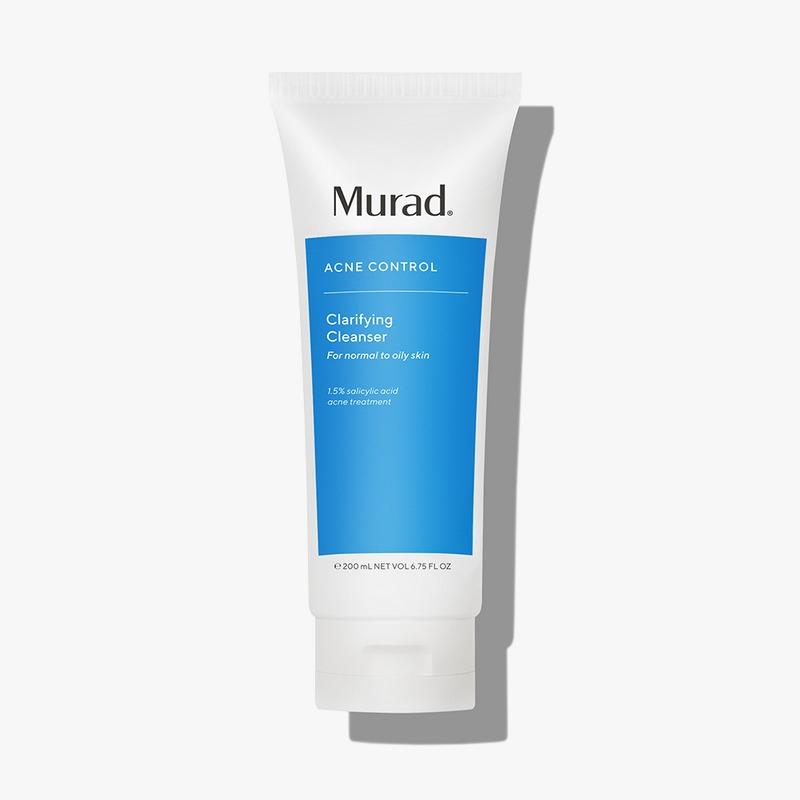
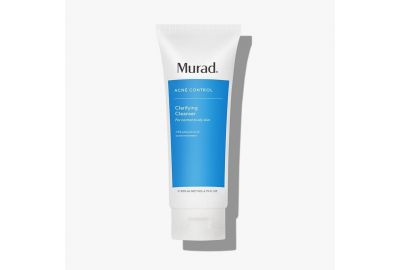
Wash problem areas with a gentle cleanser like Murad Acne Control Clarifying Cleansers will clear existing blemishes and prevent future acne. It works well for all skin types including acne-prone skin.

Avoid cosmetics that contain irritants that can cause acne. Murad Acne Face Wash will dissolve excess oil, cleanse your skin, and improve your skin’s overall appearance.

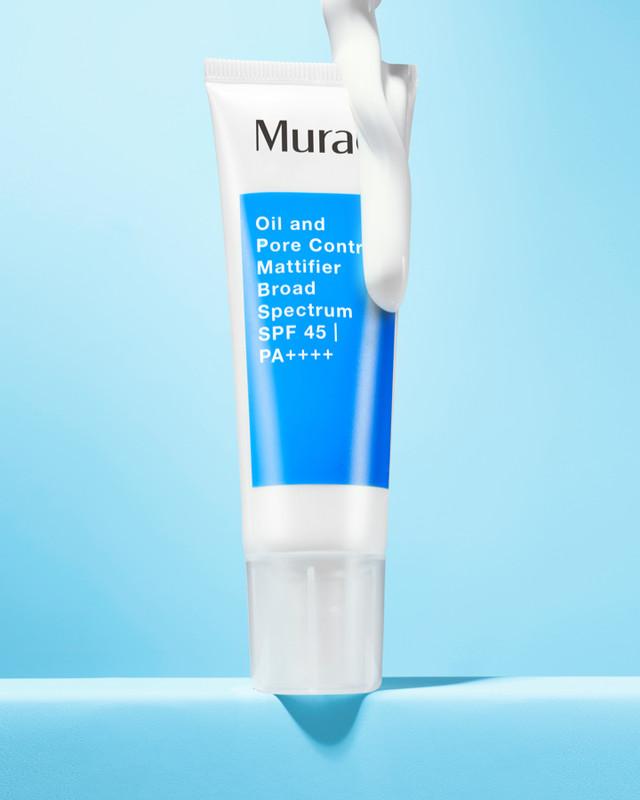
Protect your skin from the sun by applying Murad Oil and Pore Control Mattifier Broad Spectrum SPF 45.

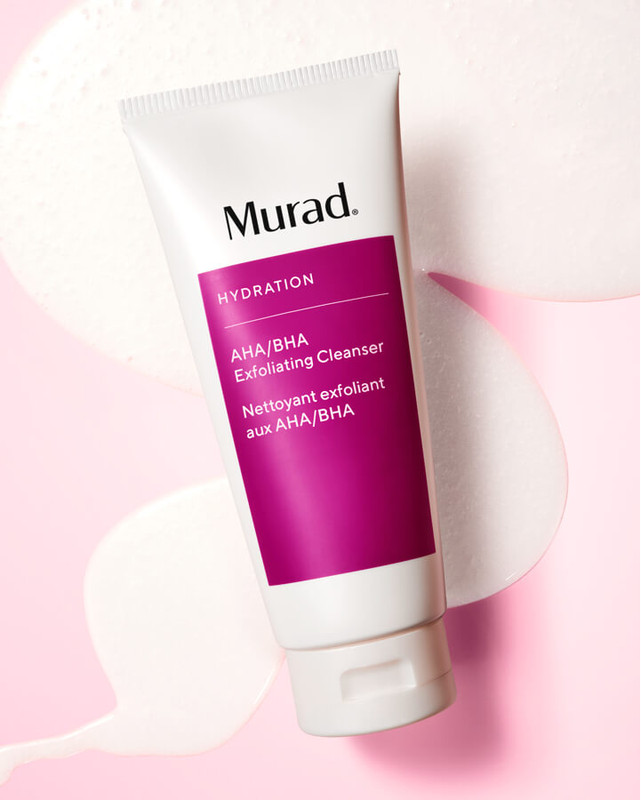
Exfoliate to remove dead skin cells with Murad AHA/BHA Exfoliating Cleanser.

Avoid touching or picking acne-prone areas.

Shower after strenuous activities to remove bacteria deposited on the skin.

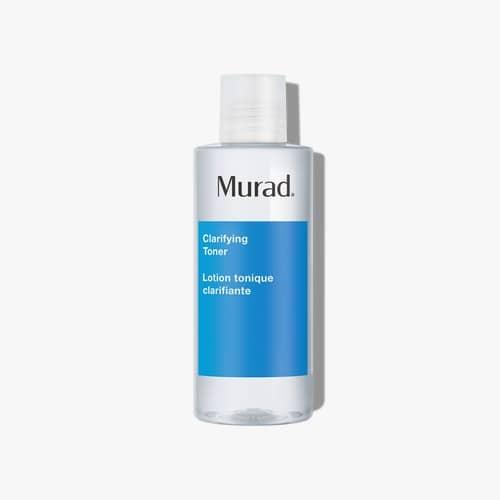
Use an oil-free toner like Murad Clarifying Toner to remove cleanser residue.

Loading...
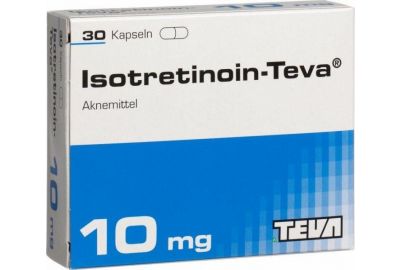
Isotretinoin

Isotretinoin

The strongest treatment for severe acne. It is a powerful drug that’s used to treat the most severe cases of acne. Your doctor may recommend this drug if you have severe acne that doesn’t get better with other medications, including antibiotics. The drug is derived from vitamin A

Loading...
Acne Causes

Acne Causes

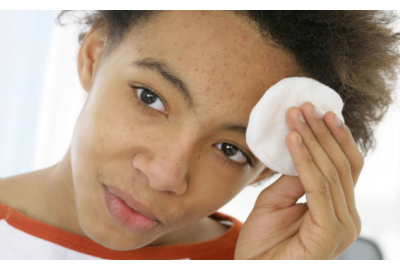
Acne is a skin condition caused when the pores of your skin are blocked with oil, dead skin, or bacteria. Acne causes whiteheads, blackheads, or pimples. It typically appears on your face, forehead, chest, upper back, and shoulders because these areas of skin have the most oil (sebaceous) glands. Scientific studies suggest that having acne on certain areas of the face may be due to bacteria, excess oil production, and hormonal changes. Or external factors such as the use of waxy hair products.

Cosmetics also cause acne, which is a mild but persistent form of acne. It can occur anywhere on the body but is most common on the face, neck, hairline, and scalp. This type of cosmetic acne looks like small bumps across the surface of the skin or scalp. The skin often looks and feels rough.

Another cause of acne is stress. And unlike your regular breakouts, stress acne usually occurs on the oiliest parts of your face. That is your forehead, nose, and chin areas.

Loading...
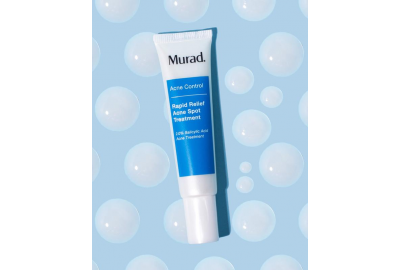
Murad Rapid Relief Acne Spot Treatment

Murad Rapid Relief Acne Spot Treatment

This is a maximum-strength topical formula that reduces blemish-size redness within 4 hours.

Loading...
Retinoids

Retinoids

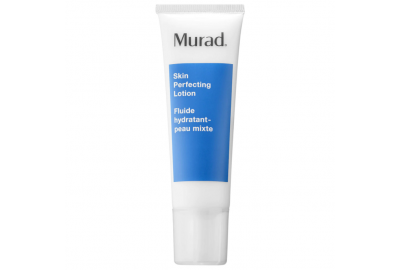
A topical retinoid cream, lotion, or gel is often the first line of acne treatment. A synthetic derivative of vitamin A, retinoids are known for their ability to reduce wrinkles and dark spots by stimulating collagen production. Some beauty products include retinoids for that reason. Murad Skin Perfecting Lotion is one of the best retinol treatments for acne.

Loading...
Acne Risk Factors

Acne Risk Factors

Your risks for skin acne include:

  • Age. People of all ages can get acne, but it’s most common in teenagers. 
  • Hormonal changes. Such changes are common during puberty or pregnancy.
  • Family history. Genetics plays a role in acne. If both of your parents had acne, you’re likely to develop it too.
  • Greasy or oily substances. You may develop acne when your skin comes into contact with oil or oily lotions and creams.
  • Friction or pressure on your skin. This can be caused by items such as telephones, cellphones, helmets, tight collars, and backpacks.
Loading...